


Más Información








Emiliano Zapata
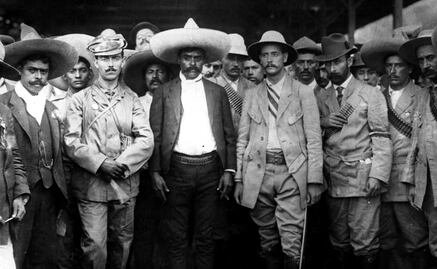
, the “Atila of the south,” was a leading figure in the Mexican Revolution and a hero of the agrarian struggle. Today, he is one of the most dynamic characters in Mexican history, told historian Salvador Rueda Smithers to EFE .
“In the framework of the one-hundredth anniversary of his death, which occurred on April 10, 1919 , it is worth reminding that Zapata is the most dynamic and evolved character of the Mexican revolution,” explained Rueda Smithers in a press conference.
Born on August 8, 1879, in Anenecuilco , Zapata was the general and warlord of the Liberation Army of the South during the Mexican Revolution, which began in 1910. Throughout his life, he fought for the rights of indigenous peoples and sought to promote land reforms to redistribute lands to the peasants.
He was finally shot to death during an ambush by government forces in 1910.
Rueda Smithers told of the evolution of the historic character of Zapata since his death. By decision of the government of President Andrés Manuel López Obrador , he is now presented as a symbol of the so-called fourth transformation of the country. Mexico’s present administration declared 2019 as the year of the general Emiliano Zapata.
“If there is a character in the history of Mexico that represents everything the fourth transformation stands for, it is Zapata,” stated the expert, adding that the revolutionary figured had managed to promote social change.
He assured that the so-called father of Mexican agrarianism was also the one who “channeled the Revolution into a movement of deep social reform and not just a political event.”
Zapata eventually became a symbol of the oppressed both in Mexico and abroad, accompanying many social struggles that stray from his original agrarian principles.
dm

Noticias según tus intereses
[Publicidad]
[Publicidad]