


Más Información

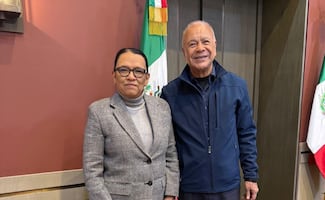




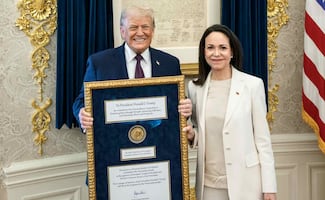
The President of the Mexican National Educational Workers Union (SNTE), Juan Díaz de la Torre, handed the document “Didactic Strategies: A Guide for Teachers of Indigenous Education” which favors the educational process of more than 1 million children of the 62 groups of indigenous people in Mexico, at preschool and primary levels.
It is expected that it can also contribute to the education of students who are part of the countries in the United Nations Educational, Scientific and Cultural Organization (UNESCO), said Díaz de la Torre in a meeting with the Director-General of this institution, Irina Bokova.
In the meeting conducted in Paris, France, it was explained that the document was elaborated by the SNTE in conjunction with the UNESCO, in order to facilitate reading and writing instruction in indigenous education schools.
After receiving the document, Irina Bokova acknowledged the SNTE's dedication to the improvement of education and remarked that “it is the first time a union undertakes this kind of job and makes a significant contribution to educational quality.”
Díaz de la Torre reaffirmed the teacher's commitment to improving education in Mexico and said that the goal of the guide is “from quality, to build a better future for the children.”
“It is a serious effort and will be more so in the future. If teachers do what needs to be done, our country will keep moving forward and that is the objective,” he added.
The guide is part of the UN Sustainable Development Agenda 2030, which establishes as a goal to “eliminate gender disparities in education and ensure equal access to all levels of education and vocational training for the vulnerable, including persons with disabilities, indigenous peoples, and children in vulnerable situations.”
mr

Noticias según tus intereses
[Publicidad]
[Publicidad]